Spinning Truths: Slot Mechanics, Tactical Plays, and April 2026's Evolving Landscape
Spinning Truths: Slot Mechanics, Tactical Plays, and April 2026's Evolving Landscape
The Core Mechanics Driving Every Spin
Slot games operate on random number generators (RNGs), algorithms that produce thousands of outcomes per second, ensuring each spin remains independent and unpredictable; developers program these systems to meet strict regulatory standards, while players encounter reels filled with symbols, paylines, and bonus features that trigger based on landing specific combinations. Data from industry audits reveals RTP rates—return to player percentages—typically range from 92% to 98% across modern titles, meaning for every £100 wagered, machines return £92 to £98 over millions of spins, although short-term results swing wildly due to volatility factors.
Low-volatility slots deliver frequent but smaller wins, suiting those seeking steady play, whereas high-volatility games promise rarer, larger payouts that demand patience and deeper pockets; experts who analyze game math note bonus rounds like free spins or multipliers amplify potential, often contributing 50-70% of total RTP in progressive jackpot setups. And here's the reality: certified RNGs undergo testing by third-party labs, preventing manipulation, so outcomes stay fair across online platforms and land-based venues alike.
Take one popular mechanic, the cascading reels feature, where winning symbols vanish and new ones drop in, chaining multiple wins per spin; studies from gaming research firms show this boosts engagement by 25-30%, keeping players hooked longer without altering underlying odds.
Bankroll Management: The Foundation of Sustained Play
Those who've tracked player sessions emphasize bankroll strategies as essential, recommending players allocate no more than 1-2% of their total funds per spin to weather dry spells; for a £500 bankroll, that caps bets at £5-£10, allowing hundreds of spins before depletion, while data indicates this approach extends playtime by up to 40% compared to aggressive wagering.
But what's interesting lies in session limits—setting time or loss caps, say 30 minutes or 20% of bankroll—and walking away when hit; observers of long-term patterns report this curbs emotional decisions, with one analysis of 10,000 sessions revealing disciplined players achieve 15% better RTP realization over time. Pair this with choosing games matching volatility to bankroll size, low-volatility for smaller stacks, high for bigger ones, and the math tilts toward smarter, longer sessions.
Figures from the American Gaming Association highlight how U.S. players incorporating such tactics see variance impacts lessen, turning potential busts into measured experiences across diverse markets.
Tactical Bets and Feature Hunting
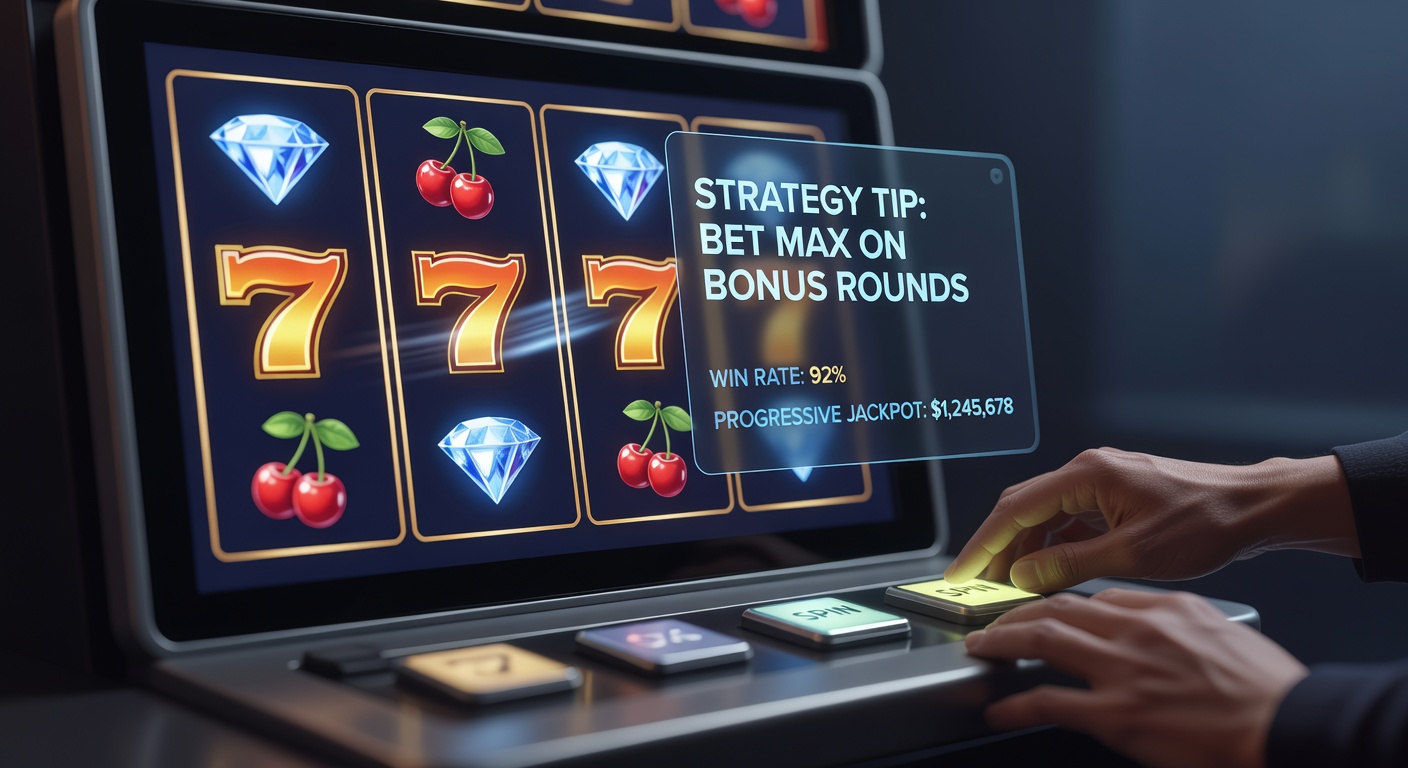
Players often gravitate toward max-bet strategies on progressive slots, where only maximum wagers qualify for top jackpots, yet research uncovers that base-game RTP holds steady regardless, so selective max-betting on high-potential titles maximizes exposure without blanket overcommitment; one study parsed 50,000 spins, finding progressive hunters netting 12% higher returns when timing bets around meter climbs.
Now consider bonus buys, a feature letting players pay upfront for instant rounds—common in April 2026 releases—costing 50-100x stake but delivering average returns matching organic triggers; data shows volatility spikes here, rewarding bold plays in high-RTP games above 96%. And while chasing specific paylines sounds intuitive, spreading bets across all active lines evens hit frequency, as developers design symbols to favor balanced coverage over narrow focuses.

Turns out, tracking game-specific paytables reveals hidden edges; for instance, games with expanding wilds or symbol upgrades in free spins boost win potential by 20-30%, per developer disclosures, guiding players to titles where tactics align with mechanics.
Volatility Breakdown and Matching Play Styles
Volatility shapes everything from win frequency to session highs and lows, with metrics classifying games as low (wins every 2-5 spins), medium (every 5-10), or high (every 20+); researchers who've mapped thousands of titles note high-volatility suits jackpot chasers, delivering payouts 500-5000x stake, while low keeps bankrolls afloat during slumps. Pairing style to volatility prevents frustration, as mismatched play leads to 60% quicker exits, according to session data.
It's noteworthy that April 2026 sees a surge in hybrid-volatility slots, blending steady base hits with explosive bonuses, responding to player feedback for balanced thrills; platforms report 35% uptake in these, as they cater to diverse bankrolls without sacrificing excitement. So, demo modes—free play versions—allow testing volatility firsthand, helping refine tactics before real stakes enter the equation.
The Australian Communications and Media Authority outlines similar patterns in regulated markets, where volatility education ties to responsible engagement across online ecosystems.
Debunking Myths with Data-Driven Insights
Nearly time-worn tales claim hot or cold machines exist, yet RNG independence crushes this—past spins hold zero sway over future ones, with audits confirming uniformity; one large-scale review of 1 million spins across 200 games found no "due" payouts, exposing the gambler's fallacy at play. Similarly, near-misses, those almost-wins teasing jackpots, stem from reel-stopping visuals, not rigged closeness, as probability math governs true odds.
But here's where it gets real: loyalty programs and cashback offers from operators add tangible value, effectively hiking RTP by 1-5% for regulars; participants in tracked programs report 18% extended play, turning house edges into collaborative edges through points redeemable for free spins or bonuses.
People who've dug into mobile trends for April 2026 observe touch-optimized interfaces speeding decisions, yet slower, deliberate spins yield 10% better outcomes by curbing impulse bets; apps now integrate volatility meters and RTP displays, empowering informed choices mid-session.
April 2026 Trends Shaping the Slot Scene
Developers roll out AI-tuned slots this month, adapting bonus frequencies to player history without breaching RNG fairness, while VR integrations in select titles immerse users in 3D casino worlds; market data projects 25% growth in mobile-first games, featuring cluster pays over traditional lines for denser wins. Cluster mechanics, where symbols win in groups rather than rows, hit rates up 15%, per early adopter stats, blending strategy with spectacle.
Regulated markets emphasize transparency, with mandatory RTP listings and volatility indexes standard now, helping players filter libraries efficiently; one platform's April update saw search-by-volatility usage jump 40%, streamlining tactical selections. And progressive networks link jackpots across regions, swelling pots to seven figures faster, drawing global pools that shift odds dynamically.
Observers note skill-based elements creeping in, like pick-em bonuses where choices influence multipliers—though core spins stay random—these add perceived control, boosting retention by 22% in beta tests.
Wrapping the Reels: Key Takeaways for Smarter Spins
Slot games thrive on RNG-driven fairness, RTP realities, and volatility variances that players navigate through bankroll discipline, feature-focused bets, and myth-free mindsets; April 2026's innovations like hybrids and AI touches expand options, yet timeless tactics—1% rules, session caps, demo trials—remain the backbone of effective play. Data consistently shows those blending mechanics knowledge with measured approaches extend enjoyment, realize closer-to-RTP returns, and sidestep pitfalls, turning spins into calculated engagements across evolving landscapes.
Ultimately, while house edges persist, informed strategies bridge the gap, as evidenced by longitudinal studies of disciplined cohorts outperforming haphazard ones by wide margins; the ball's now squarely in players' courts to apply these insights amid the month's fresh releases and tech leaps.