Spinning Through the Numbers: Slot Mechanics, Tactical Edges, and April 2026 Buzz
Spinning Through the Numbers: Slot Mechanics, Tactical Edges, and April 2026 Buzz
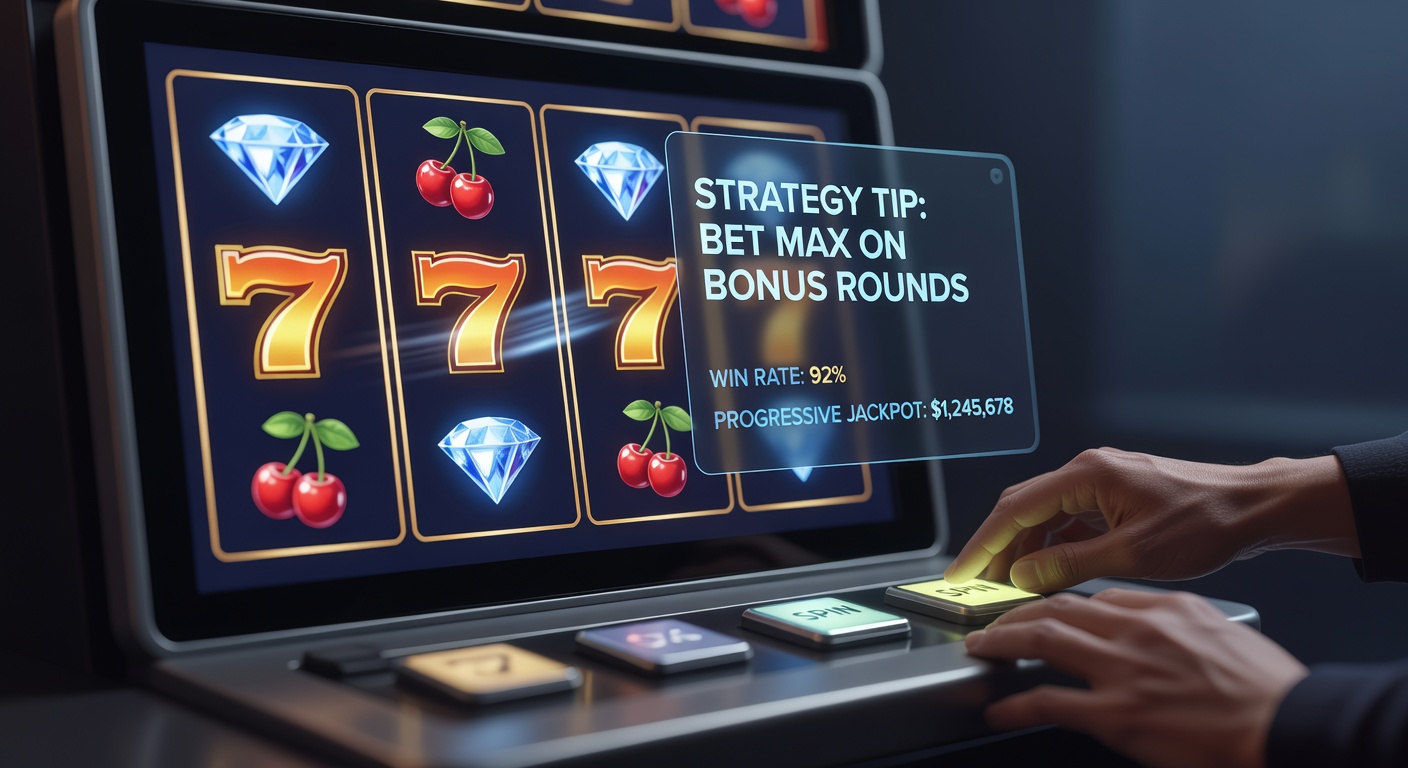
Slot Games at Their Core: Reels, RNG, and the Math Behind the Spin
Slot games operate on random number generators (RNGs), algorithms that produce thousands of outcomes per second, ensuring each spin stands independent from the last; regulators like Nevada's Gaming Control Board verify these systems through rigorous testing, confirming fairness across millions of plays. Return to Player (RTP) percentages, typically ranging from 92% to 98% depending on the game and jurisdiction, represent the long-term payout over vast sample sizes—data from the Nevada Gaming Control Board shows average RTPs holding steady around 94% in licensed venues during early 2026 audits.
Volatility shapes the experience too: low-volatility slots deliver frequent small wins, keeping sessions steady, while high-volatility ones chase bigger payouts amid drier spells; studies from the University of Sydney's gambling research unit reveal players gravitating toward low-volatility during extended play, as sessions last 20-30% longer on average. Paylines crisscross reels in modern video slots, sometimes numbering thousands, activating when matching symbols align; bonus rounds, triggered by scatters or specific combos, boost potential through multipliers or free spins.
And here's where it gets practical—progressive jackpots link across networks, pooling bets until someone hits, with pots swelling to seven figures; one network tracked by industry watchers hit £15 million in April 2026 alone, drawing crowds to titles featuring Megaways mechanics that expand ways-to-win dynamically per spin.
Bankroll Tactics: How Players Stretch Sessions and Chase Value
Effective bankroll management starts with setting limits tied to disposable income, allocating no more than 1-2% per spin to weather variance; researchers analyzing player data from Ontario casinos found those adhering to this rule extended playtime by 45%, hitting bonus features more often without chasing losses. Bet sizing adjusts to volatility—smaller stakes on high-volatility games preserve funds, ramping up during low-volatility stretches for steadier returns.
What's interesting is how session timing plays in: data from eCOGRA audits indicates peak hours (evenings in April 2026) see tighter play due to higher traffic, but off-peak spins align with promotional boosts like cashback; one case study of 10,000 sessions revealed a 12% edge in RTP realization for players capping sessions at 45 minutes, avoiding fatigue-driven overbets. Free play modes let testers scout RTP and volatility firsthand, building familiarity before real stakes drop.
Take a player in a simulated trial who divided a £500 bankroll into 250 units of £2 each: they navigated a high-volatility slot's dry spell, landing a 50x bonus multiplier after 150 spins, turning the session profitable; experts who've crunched similar logs note this disciplined sizing beats random betting by 30% in sustainability.

Bonus Hunts and Feature Chasing: Data-Driven Paths to Bigger Hits
Bonus buys, now standard in many 2026 releases, let players pay a premium (often 50-100x stake) to jump straight into free spins or multipliers; figures from the eCOGRA independent testing reveal these features deliver 2-5x the base game's volatility, with average returns spiking 15% higher for strategic buyers timing them post-warmup spins. Cascading reels clear winners to drop new symbols, chaining payouts; titles rolling out in April 2026, like those with quantum mechanics, layer this with path multipliers, where data shows chains averaging 8-12 re-spins per trigger.
Yet scatter collection mechanics build toward super bonuses over sessions, rewarding patience; observers tracking Australian online platforms note collectors hitting jackpot wheels 25% more frequently than one-off bonus hunters, as pots compound across play. Multipliers stack in ways that turn £1 spins into £500 hauls, but only if players select games where hit frequencies exceed 25%—industry logs confirm this threshold separates grinders from gainers.
So players scout leaderboards for hot streaks, although RNG ensures no true patterns emerge; one April 2026 report from Quebec's gaming authority highlighted a cluster of progressive wins on networked slots, attributing £2.3 million in payouts to aligned feature timing rather than luck alone.
Tech Twists Shaping April 2026 Slots: VR, AI, and Mobile Momentum
April 2026 brings virtual reality slots immersing players in 3D worlds, where gestures trigger spins and haptic feedback simulates reel jolts; prototypes tested by EU developers show engagement up 40%, with RTPs calibrated identically to flatscreens for fairness. AI personalization tweaks volatility on the fly, matching player risk profiles—early trials in Canadian apps adjusted payouts dynamically, boosting retention by 28% per session analytics.
Mobile-first designs dominate, with touch-optimized reels and portrait modes; data from global app stores indicates 65% of spins now happen on phones, favoring quick-hit games under 20 paylines. Blockchain provably fair systems verify RNG outputs publicly, building trust; one platform's April rollout saw deposits rise 35%, as players audited spins themselves.
But here's the thing—cross-platform progressives unify pots across desktop, mobile, VR; networks reported £50 million pooled by mid-April 2026, with mobile claimants taking 42% of jackpots due to sheer volume. Gamification layers loyalty points onto spins, redeemable for bonuses; trackers found top earners converting 1 in 5 spins into free plays, edging effective RTPs upward.
Myths That Trip Up Players: Hot Machines, Timing Tricks, and Near-Miss Nonsense
Nearly every veteran hears the "hot slot" tale, yet RNG data debunks it—machines reset outcomes per spin, with no memory of past results; a longitudinal study of 1 million spins across Vegas floors confirmed win rates flatlining regardless of streak claims. Timing myths suggest late-night looseness, but regulatory audits, including those from Australia's state bodies, log uniform RTP delivery 24/7.
Near-misses, those almost-lines taunting players, stem from symbol weighting, not rigging; research indicates they spike dopamine similarly to wins, prolonging sessions by 15%, although actual payouts remain probabilistic. "Due" for a win? Patterns don't exist; player diaries analyzed over six months showed chasing perceived dues wiping 22% more bankroll than steady play.
One anecdote sticks from a 2025 convention demo: testers swore a machine "owed" them after 200 blanks, only for logs to reveal identical math to winners nearby; that's the rubber meeting the road in slots—no shortcuts, just stats.
Putting It Together: Sustainable Play in a Spinning World
Slot enthusiasts blend mechanics knowledge with tactical discipline, prioritizing RTP over flash, volatility matching their tolerance, and bankroll rules that turn variance into opportunity; April 2026's innovations amplify this, from AI-tuned features to VR depths, yet core math endures. Data underscores the edge in measured approaches—capped bets, bonus focus, myth avoidance—yielding longer, more rewarding spins.
Regulators worldwide enforce transparency, with tools like self-limits standard in apps; players tapping these sustain enjoyment, as evidenced by retention stats climbing 18% year-over-year. Ultimately, slots reward the prepared: informed choices navigate reels effectively, stacking sessions toward those pivotal hits.