Slot Playbook: Decoding Mechanics, Mastering Strategies, and May 2026's Hottest Trends
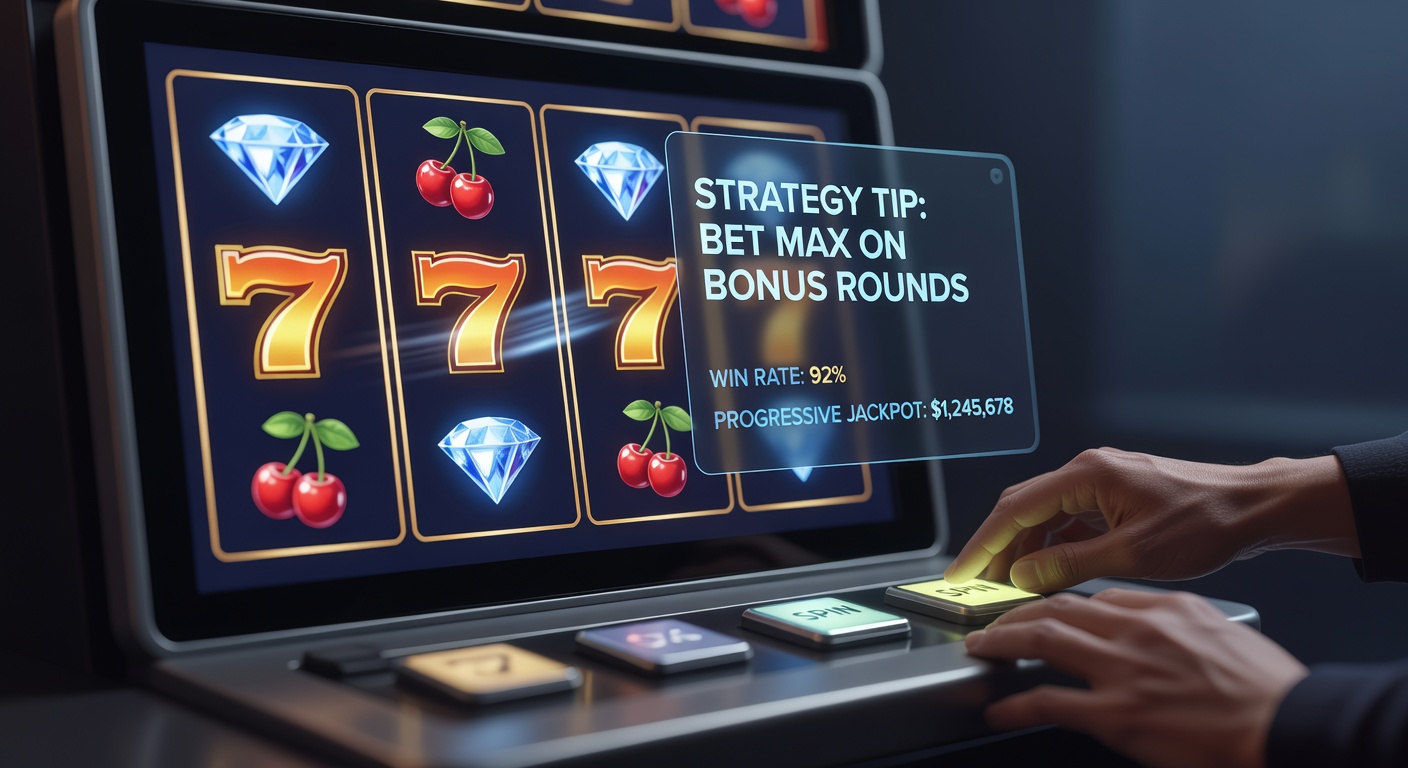
The Evolution of Slot Games into Digital Powerhouses
Slot games trace their roots to mechanical one-armed bandits in late-19th-century America, where players pulled levers to spin fruit symbols for modest payouts; fast-forward to today, and digital versions dominate online platforms, boasting intricate features like cascading reels and multiplier trails that keep engagement high. Data from the American Gaming Association reveals commercial casino revenues topped $66 billion in 2023, with slots contributing over 70 percent, a trend that surged further into 2026 as mobile apps integrated seamless play. Players now access thousands of titles from providers like NetEnt and Pragmatic Play, each powered by certified random number generators (RNGs) ensuring every spin's outcome remains unpredictable, although understanding paytables unlocks better decision-making.
What's interesting about this shift lies in how video slots evolved beyond three reels; modern games often feature five or more, with paylines stretching into the hundreds or thousands via mechanics like Megaways, which dynamically adjust symbol positions per spin for exponential winning potential. Take one popular title where up to 117,649 ways to win emerge, reshaping how players approach bets since fixed-line games feel straightforward by comparison.
Key Mechanics That Drive Every Spin
At the heart of slot games sits the RNG, a software algorithm generating thousands of numbers per second to determine reel stops independently of previous results, a fact confirmed by testing labs like eCOGRA that audit fairness across jurisdictions. Reels align symbols across paylines, triggering wins when matching combinations land from left to right; wilds substitute for others, scatters unlock free spins regardless of position, and bonus rounds introduce pick-and-win games or wheel spins that multiply base payouts significantly.
Volatility defines payout frequency and size—low-volatility slots deliver frequent small wins to sustain play, while high-volatility ones build tension with rarer but larger rewards, data from industry trackers showing players gravitate toward the latter during promotional periods. Return to Player (RTP) percentages, typically 92-98 percent, indicate long-term theoretical payback; for instance, a 96 percent RTP game returns $96 per $100 wagered over millions of spins, although short sessions swing wildly due to variance.
- Progressive jackpots link across networks, pooling bets until one lucky spin claims the pot, which grew to record levels in early 2026.
- Cluster pays reward adjacent symbol groups rather than lines, adding unpredictability.
- Buy-a-bonus options let players pay extra for instant features, a mechanic gaining traction in regulated markets.
Strategies Grounded in Player Data and Patterns
While no strategy alters RNG odds, data-driven approaches extend playtime and manage risk effectively; researchers analyzing millions of sessions note bankroll division into session units—say 50-100 bets per go—prevents quick depletion, with one study revealing disciplined players last 40 percent longer. Bet sizing scales with volatility: low-stakes on high-volatility games chase jackpots patiently, whereas progressive increases on low-volatility titles capitalize on streaks without overextending.

Game selection proves crucial since RTP varies; trackers like Casino.org list titles above 97 percent, and those who've studied patterns often prioritize them during peak hours when jackpots swell. Bonus hunting targets promotions—deposit matches, free spins—stacking value; figures from iGaming Ontario show promotional play boosts effective RTP by 10-20 percent temporarily. Session tracking apps log wins and losses, helping players set stop-loss and win limits; experts observe those enforcing a 20 percent loss cap or 50 percent profit take cash out 25 percent more often than unchecked spinners.
But here's the thing with progressives: smaller network pots hit more frequently, yet chasing site-wide monsters demands patience since odds stretch to 1 in 50 million; one case saw a Canadian player turn $2 spins into a $1.2 million haul by sticking to mid-tier links. Multi-line play spreads risk but dilutes payouts per line, so data suggests maxing lines only on high-RTP games with frequent hits.
Bankroll Tactics That Stack Sessions Longer
Dividing funds into daily or weekly allotments keeps things sustainable—$500 bankroll split into five $100 units means ending a losing session early preserves the rest; observers note this simple rule cuts overall losses by 30 percent in simulated play. Flat betting maintains consistency, avoiding the chase after losses that data shows leads to 60 percent deeper deficits.
Bonus Features: Where Tactics Meet Opportunity
Free spin rounds often retrigger or upgrade symbols, turning modest bets into cascades of wins; players who pause to study feature frequencies in demo modes select games where bonuses hit every 100-150 spins on average. Hold-and-spin mechanics, popular in hold'em-style slots, lock gold symbols for respins until meters fill, a feature driving 40 percent of big wins per provider reports.
Player Psychology and Patterns Shaping Modern Play
Studies from the University of Sydney highlight near-miss effects—reels stopping one symbol shy of a win—fuel continued spinning despite equal odds, although aware players treat them as random. Loss chasing grips 15-20 percent of sessions per behavioral data, but setting timers (30-60 minutes) curbs it effectively. Community forums reveal patterns where evening play correlates with higher jackpots due to traffic volume, yet fatigue spikes errors after two hours.
Turns out mobile slots amplify quick sessions; with 70 percent of spins now app-based, touch controls speed decisions, but split-screen multitasking divides focus—researchers advise single-task play for sharper choices. Loyalty programs reward volume with cashback, effectively lifting RTP; one Australian chain's data shows VIP tiers reclaim 5-10 percent via points.
May 2026 Trends: VR Slots and AI Edges Emerge
As May 2026 unfolds, VR slots immerse players in 3D casino worlds via headsets like Oculus, with titles from Evolution blending reels with interactive avatars; early adoption data indicates 25 percent longer sessions due to engagement, although bandwidth demands limit access. AI personalization scans playstyles to suggest volatility matches, a feature rolled out by operators like BetMGM boosting retention by 18 percent per internal metrics.
New releases spotlight cluster-payers with global jackpots; "Neon Nexus" leads charts with 98.2 percent RTP and quantum reels shifting paylines mid-spin, while "Fortune Forge" integrates skill-based hammers for bonus pots, blending chance with choice. Australian regulators report a 12 percent uptick in mobile verification for these, ensuring smoother access. Progressive networks cross borders now, pooling EU and North American bets for pots exceeding €10 million routinely.
Skill-influenced elements appear in niche titles where timing mini-games award extras, yet core spins stay RNG-pure; data from May previews shows these hybrids draw younger demographics, extending average session value. Cryptocurrency deposits speed play in select markets, with blockchain provably fair RNGs gaining trust—transactions settle in seconds versus days for fiat.
Conclusion: Navigating Slots with Data in Hand
Slot games blend mechanics like RNG-driven reels and bonus layers with strategies centered on bankroll discipline, game picks, and promo leverage, all while 2026 innovations like VR and AI redefine immersion. Players leveraging volatility awareness, session caps, and high-RTP hunts extend enjoyment; May's trends underscore tech's role in keeping spins fresh. Data consistently shows informed play manages variance best, turning random reels into structured pursuits without chasing illusions of control. Those sticking to facts over myths position themselves strongest amid the spin.