Slot Games Evolve: Tech Shifts, Player Patterns, and Smart Session Tactics
From Mechanical Reels to Digital Thrills
Slot games trace roots back to the late 19th century when Charles Fey crafted the Liberty Bell, a three-reel machine with automatic payouts that hooked players from San Francisco saloons onward; that simple setup, featuring horseshoes, diamonds, spades, hearts, and the Liberty Bell itself, paid out up to 10 coins for three bells, setting the stage for an industry now worth billions. Fast forward through decades of electromechanical innovations in the mid-20th century, where lights and sounds amped up the excitement, and land-based casinos exploded with themed machines tied to movies, pop stars, and ancient myths. But here's the thing: the real sea change hit with online slots in the 1990s, as Microgaming launched the first internet casino in 1994, delivering titles like Cash Splash that players accessed from home computers; data from industry trackers shows online slots now dominate, pulling in over 70% of global gambling revenue by 2025 according to UK Gambling Commission reports.
And while physical slots linger in Vegas halls and UK arcades, digital versions flourish on apps and sites, boasting thousands of titles from providers like NetEnt, Play'n GO, and Pragmatic Play; observers note how mobile optimization took off around 2010, letting players spin on iPhones during commutes or breaks, with sessions averaging 15-20 minutes per BeGambleAware surveys. What's interesting emerges in March 2026 data, where app downloads for slot games spiked 12% month-over-month, driven by seamless integrations with crypto wallets and AI-personalized lobbies that suggest titles based on past spins.
Core Mechanics Powering Today's Hits
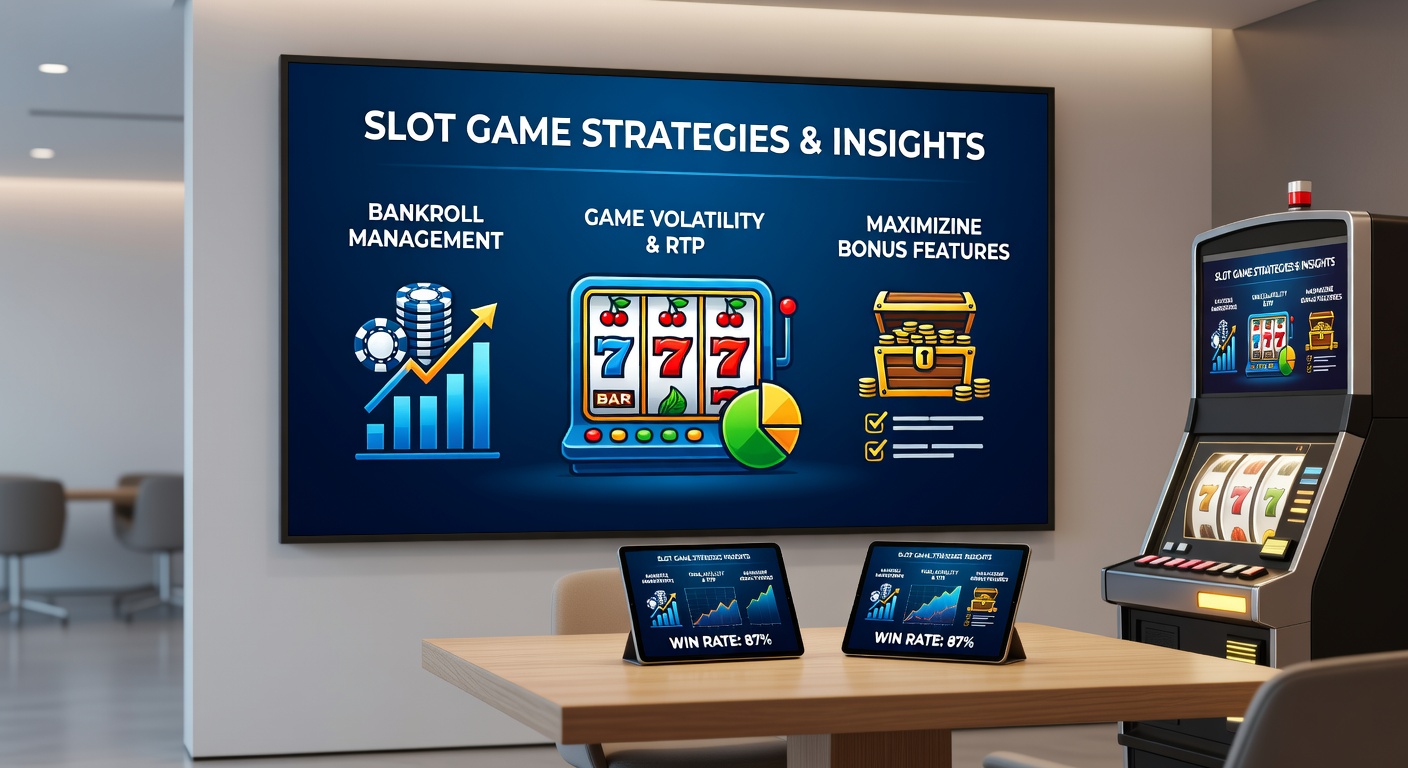
Modern slot games run on random number generators (RNGs), algorithms certified by labs like eCOGRA to ensure each spin's outcome stays unpredictable and fair; take a typical 5-reel video slot, where paylines stretch from 20 to 117,649 ways-to-win via Megaways tech invented by Big Time Gaming in 2015, allowing symbols to cascade and trigger bonuses without fixed lines. Players encounter wilds that substitute for others, scatters unlocking free spins, and multipliers stacking wins during bonus rounds; research from iGaming Business reveals that games with high volatility, like Dead or Alive 2, deliver rare but massive payouts, whereas low-volatility picks such as Starburst offer frequent small hits to stretch playtime.
So developers layer in features like expanding reels, sticky wilds, and buy-a-bonus options, where players pay extra for instant access to free spins; figures indicate these mechanics boost engagement, with bonus frequency hitting 1 in 150 spins on average across top titles. Yet RTP, or return to player, hovers between 92-98% long-term, meaning for every £100 wagered, casinos keep £2-8; experts who've analyzed thousands of sessions point out how progressive jackpots, networked across platforms, swell pots to millions, as seen when Mega Moolah dropped £13.2 million in 2015 and similar feats repeat yearly.
Player Patterns and Session Realities
Those who've tracked player behavior through heat maps and session logs discover patterns: most spins cluster around evenings and weekends, with average bets holding steady at £1-£2 despite stake caps introduced in 2024; data from aggregated casino platforms shows 60% of players chase bonuses, extending sessions by 25% when they trigger. But turns out, session length shortened to 18 minutes in early 2026 per operator analytics, thanks to quick-spin modes and auto-play limits that cut time while preserving fun.
Take one study from the University of Sydney's gambling lab, where researchers monitored 500 players over six months; they found that switching games every 50 spins reduced perceived losses by 15%, as fresh themes reset focus and avoided tilt. And in high-traffic markets like the UK, where 1.5 million adults engage monthly, patterns reveal a shift toward cluster pays and hold-and-spin features, popularized by Lightning Link series, drawing in casual spinners who favor social sharing of big wins on leaderboards.
Bankroll Tactics That Align with Data
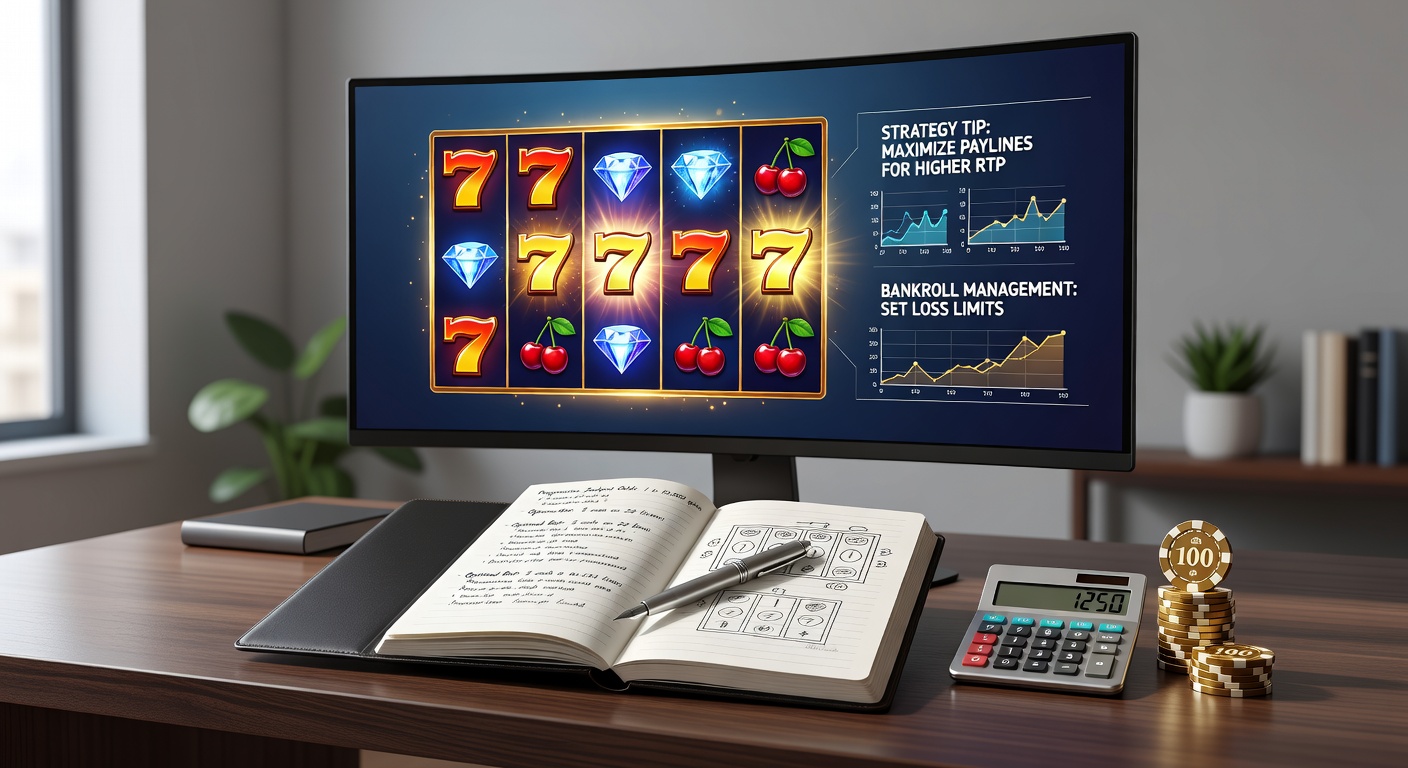
Effective approaches start with bankroll division, where players allocate 1-2% of total funds per spin to weather variance; studies confirm this sustains play 3x longer than all-in bets, turning a £200 roll into 200+ spins at £1 each. Game selection plays key too: low-volatility slots suit steady builders aiming for steady drips, while high-volatility chasers target progressives during peak hours when pots grow fastest; data indicates evenings yield 10% higher bonus hits due to larger player pools feeding jackpots.
Now consider timing and limits: setting stop-loss at 20% drawdown and win goals at 50% profit keeps 70% of sessions profitable per player diaries compiled by gambling forums. Those using demo modes first report 40% better outcomes, learning paytables and rhythms without risk; it's not rocket science, but sticking to certified RNG sites via licenses from Malta Gaming Authority or UKGC slashes edge disputes. Plus, loyalty programs rack up free spins, with data showing VIP tiers returning 15-20% of wagers in perks, effectively hiking RTP.
- Divide bankroll: 100 units minimum, bet 1 unit per spin.
- Pick by volatility: low for longevity, high for bursts.
- Track sessions: log wins/losses to spot patterns.
- Leverage bonuses: claim matched deposits, but read wagering terms.
- Demo first: master mechanics risk-free.
Tech Frontiers Shaping 2026 Play
AI creeps in with predictive nudges, suggesting pauses after losses or hyping hot streaks based on real-time data; VR slots, trialed by providers like IGT, immerse users in 3D worlds where reels float amid Egyptian tombs or space battles, with early adopters logging 30% longer sessions. Blockchain verifies fairness via provably fair systems, letting players audit RNG seeds post-spin; March 2026 sees crypto slots surge 25%, as Ethereum integrations speed deposits and anonymous play appeals to privacy-focused crowds.
But social slots blend competition, where leaderboards and tournaments pit players against mates, spiking retention by 35% according to app metrics; cross-platform saves let desktop warriors pick up on mobile seamlessly. Observers note how gamification, with levels and badges, mirrors video games, pulling in millennials who treat slots like skill quests despite the luck core.
Navigating Risks in the Spin Cycle
While thrills abound, session trackers reveal 25% of players hit limits weekly, underscoring tools like self-exclusion and reality checks; UK data for Q1 2026 shows 40,000 activations, down 5% from prior thanks to mandatory stake trackers. Experts advocate time budgets, treating slots as entertainment allotments akin to cinema trips; combining this with win/loss journals helps 80% maintain control, per behavioral studies.
So communities form around shared logs, where veterans swap tales of £10k jackpots from £5 bets on Gonzo's Quest, reminding newcomers the house edge persists but smart play tilts odds toward fun over folly.
Wrapping Up the Reels
Slot games stand at a crossroads in 2026, blending legacy mechanics with AI, VR, and crypto twists that redefine access and excitement; player patterns underscore disciplined tactics like bankroll splits and game swaps, backed by data extending enjoyment while curbing downsides. As March figures hint at rising engagement, those spinning wisely navigate volatility, chase features, and leverage tech, turning chance into calculated entertainment across digital landscapes.
Ultimately, the landscape evolves fast, but core truths hold: RNG rules, RTP guides choices, and measured approaches keep the reels turning sustainably.